
Exam and frame allowance
Most plans cover a routine exam for a fixed copay and put a set dollar amount toward frames. Anything above the allowance is your cost, so the frame allowance is where plans differ most.
Benefits for annual exams, glasses, and contacts, with the allowances spelled out.
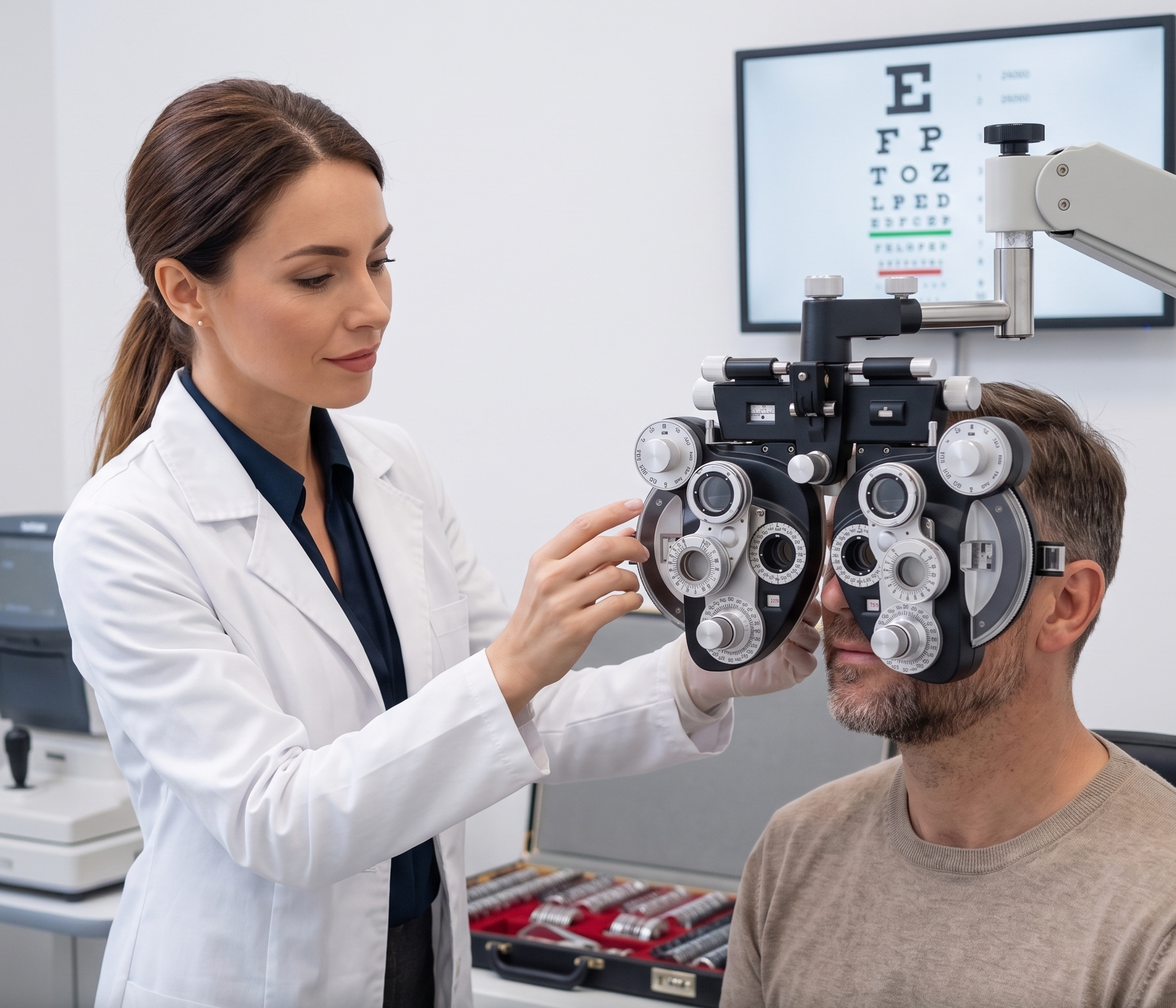
Vision benefits help members stay current with eye exams and reduce the cost of glasses, contacts, and other routine vision needs. Vision plans work differently from medical coverage: instead of deductibles and coinsurance, most use fixed copays and set dollar allowances, which makes it possible to know your cost before you walk into the office.
See how often exams are covered and what those visits include for adults, children, and seniors.
Compare allowances for frames, lenses, coatings, and lens upgrades across plan options.
Review contact lens benefits, replacement schedules, and how covered amounts apply.
Confirm which optometrists, retailers, and vision networks are available before you choose a plan.
Once you know the three allowances, comparing plans takes about five minutes.
Most plans cover a routine exam for a fixed copay and put a set dollar amount toward frames. Anything above the allowance is your cost, so the frame allowance is where plans differ most.
Single vision, bifocal, and progressive lenses are covered at different levels, and coatings or upgrades such as anti-reflective and photochromic are often priced separately.
Plans typically let you use the hardware benefit for glasses or contacts in a given period, not both. If you wear both, check which the plan defaults to.
Talk with a licensed agent about options that fit your situation.
Get help with enrollment deadlines and coverage questions.
Send us what you need and we will come back with options to compare.
Most plans include a routine eye exam once per plan year for a fixed copay. Some plans run the benefit on a rolling twelve-month cycle rather than a calendar year, so check which applies before scheduling.
Usually you choose one per benefit period. Plans generally provide a hardware allowance that goes toward either frames and lenses or contact lenses, not both.
You pay the difference. Many plans also apply a discount to the amount above the allowance when you use an in-network provider, which softens the overage.
Not typically. Vision plans cover routine care such as exams, glasses, and contacts. Medical eye conditions, injuries, and eye surgery generally fall under your health insurance instead.

Review dental plan options that can help reduce the cost of preventive care, basic procedures, and major dental work for individuals and families.
Learn more
Compare plan options, understand deductibles and copays, and choose coverage that matches your healthcare needs and budget.
Learn more
Guidance through Medicare Advantage, Supplement, and Part D choices with help on deadlines, benefits, and prescription coverage.
Learn more