
Annual maximum
The most the plan pays toward your care in a plan year. Once you reach it, remaining costs are yours. This is the number that matters most if major work is likely.
Plans that lower the cost of cleanings, fillings, and the larger dental work nobody plans for.
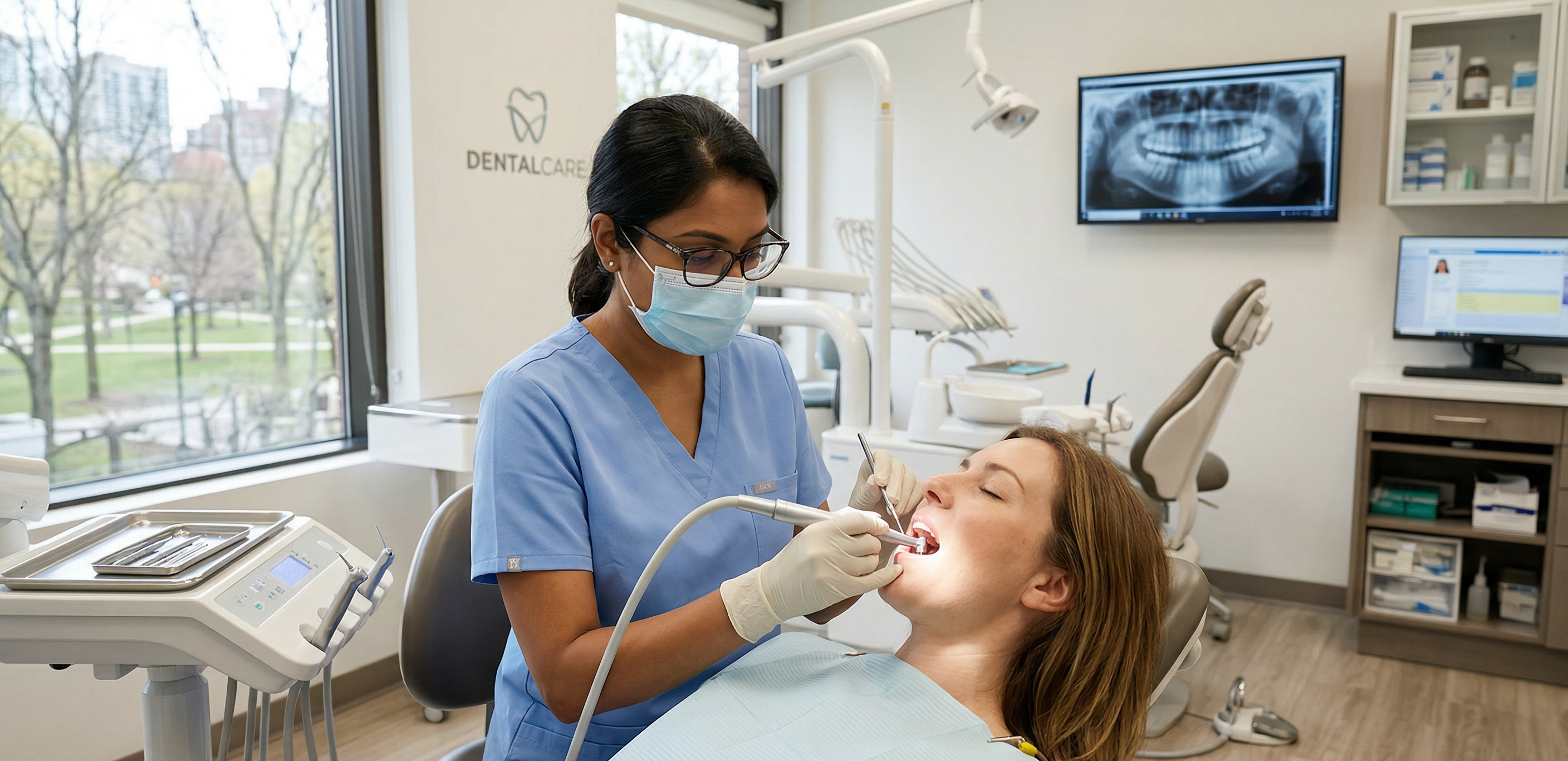
Dental plans can help lower the cost of routine and major oral care while making preventive visits easier to keep on schedule. Most plans cover cleanings and exams generously and major work less so, which is why the annual maximum and waiting periods usually matter more than the monthly premium.
Review coverage for exams, cleanings, and x-rays that support healthy long-term dental habits.
Understand benefits for fillings, extractions, and other common procedures that members use most.
Explore plan options that may help with crowns, dentures, bridges, and other larger dental expenses.
Compare extra benefits such as orthodontic support, broader provider choices, or family-friendly options.
Premium is the easy number to compare. These are the ones that determine what you actually pay.
The most the plan pays toward your care in a plan year. Once you reach it, remaining costs are yours. This is the number that matters most if major work is likely.
Many plans cover preventive care immediately but apply a waiting period before basic or major procedures are covered. If you already know you need a crown, this changes which plan makes sense.
In-network dentists are paid at negotiated rates, so staying in network usually costs less. Coinsurance tiers commonly split preventive, basic, and major work at different levels.
Talk with a licensed agent about options that fit your situation.
Get help with enrollment deadlines and coverage questions.
Send us what you need and we will come back with options to compare.
It depends on the plan. Preventive care such as cleanings and exams is often covered right away, while basic and major procedures may have waiting periods. If you have known dental work coming up, tell your agent before choosing a plan.
If your dentist participates in the plan's network, yes, and you will generally pay less than going out of network. We check network participation for your specific dentist before you enroll.
Orthodontic coverage is usually a separate benefit rather than standard, and where it is included it often carries its own lifetime maximum and age limits. It is worth asking about specifically if orthodontics is the reason you are shopping.
Yes. Standalone dental plans are available separately and do not require you to hold a medical plan with the same carrier.

Understand vision plans that support routine eye exams, glasses, contact lenses, and access to participating providers and retailers.
Learn more
Compare plan options, understand deductibles and copays, and choose coverage that matches your healthcare needs and budget.
Learn more
Guidance through Medicare Advantage, Supplement, and Part D choices with help on deadlines, benefits, and prescription coverage.
Learn more