
Accident Insurance Plans

Money in your hands after a bad day, so a trip to the emergency room does not become a financial one too.

Parent comforting a child after a minor injury at home

Accident Coverage

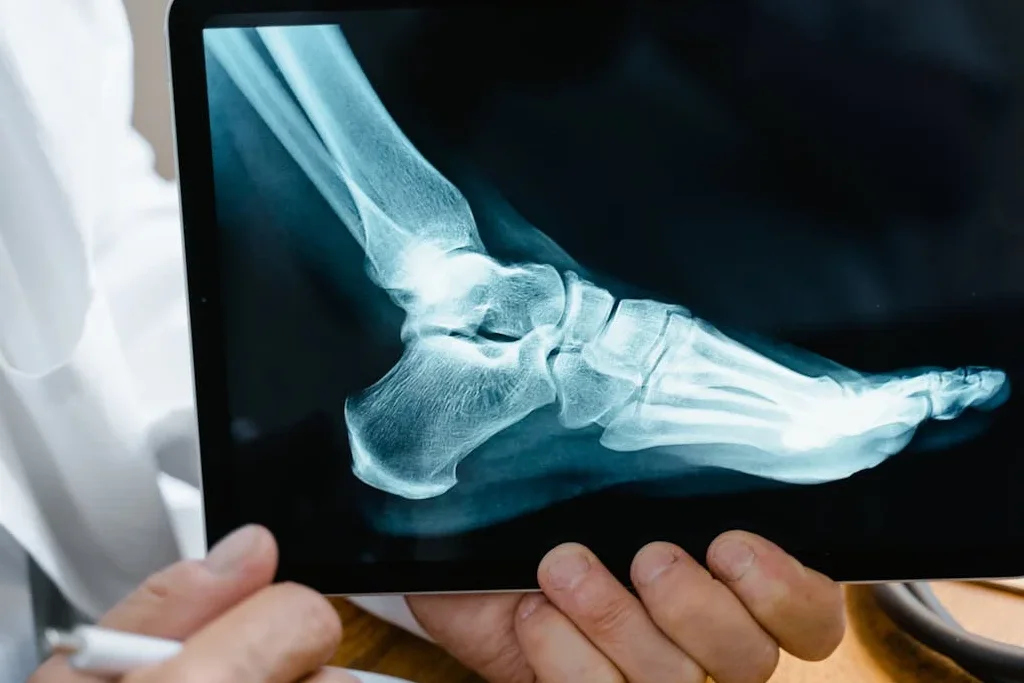
Nobody plans their year around a broken wrist. But a fall off a bike on a Saturday, a bad landing at a soccer game, a slip on a wet floor at work, and suddenly there is an emergency room bill, an X-ray, a follow-up with a specialist, and a week of missed shifts. Your health plan will handle its share eventually. Accident insurance handles the part in between, paying cash straight to you so you can cover what actually needs covering right now, whether that is the deductible, the mortgage, or the groceries. It is a small monthly cost that keeps one bad afternoon from turning into six months of catching up.

The Money Comes to You

Benefits are generally paid directly to you rather than to the hospital, so you decide what gets covered first.

Built for Families

Coverage can usually include a spouse and children, which is where it earns its keep in households with kids in sports.

Works Alongside Your Health Plan

Accident benefits are typically paid on top of whatever your medical coverage pays, helping absorb deductibles and coinsurance.

Straightforward to Start

Many plans use a short application with limited health questions, and some issue coverage without a medical exam.

How it works

What you are actually buying

Accident plans pay set amounts for specific events. Understanding which events, and how much, is most of the decision.

The benefit schedule

Every plan lists what it pays for specific events: an emergency room visit, an ambulance ride, a fracture, stitches, a night in the hospital. Two plans at similar premiums can pay very differently depending on which of those carry the larger amounts, so we compare the schedules rather than the price tags.
Why it pairs with a high deductible

A high-deductible health plan keeps the monthly premium down and leaves real exposure before coverage begins. For a lot of households that tradeoff makes sense, right up until the year they actually get hurt. An accident plan is a common way to cover that first layer without giving up the lower premium.

Options worth asking about

Depending on the carrier, plans can include accidental death benefits, coverage designed for children, and optional riders that extend protection further. Which of those are available, and whether they are worth adding, depends on your household rather than on a general rule.

What it does not cover

Accident plans cover injuries, not illness. Sickness, many pre-existing conditions, and certain high-risk activities are commonly excluded, and some plans apply waiting periods. We go through the exclusions with you before you enroll, not after a claim.

Book a consultation

Talk with a licensed agent about options that fit your situation.

Call an agent

Get help with enrollment deadlines and coverage questions.

Get a free quote

Send us what you need and we will come back with options to compare.

Common questions

How is accident insurance different from health insurance?

Health insurance pays providers for covered care after your deductible and coinsurance apply. Accident insurance pays a set cash benefit directly to you when a covered injury happens, and you choose how to use it. It is built to sit alongside a medical plan, not to replace one.

Do I still get paid if my health plan already covered the bill?

In most cases yes. Accident benefits are generally paid on the covered event itself rather than on what your medical plan did or did not pay. Terms vary, so it is worth confirming how a specific policy coordinates with your other coverage.

What kinds of injuries are usually covered?

Benefit schedules commonly include emergency room and urgent care visits, ambulance transport, fractures and dislocations, burns, cuts requiring stitches, concussions, and hospital admission following an accident. The exact list, and the amount paid for each, varies by plan.

Can I cover my kids?

Most plans offer individual, couple, and family tiers, and some carriers offer coverage designed specifically for children. Families are often where accident coverage makes the most sense, since sports, playgrounds, and bicycles generate a steady share of claims.

Do I need a medical exam to qualify?

Often not. Many accident plans use a short application with limited health questions, and some are issued without an exam. Requirements differ by carrier, so an agent can tell you what applies to the specific plan you are considering.